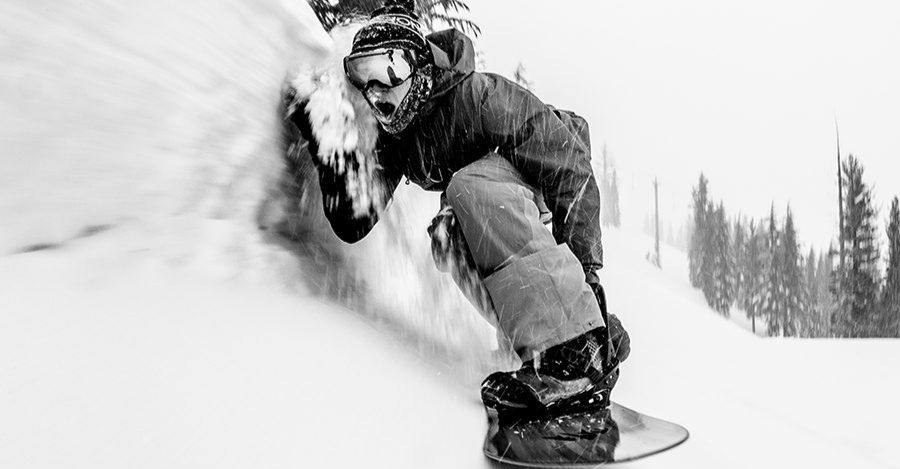

Snowboarding is rooted in a strong culture that started in the late 60s and was designed as a different, more creative approach to traditional snow sports. Over time, it has grown into one of the most popular snow sports in the world. In fact, snowboarding is one of the most watched events in both the X Games and the Olympics. Beyond competition, snowboarding has created jobs, lifestyles, and entire communities built around people who are passionate about pushing limits, expressing themselves, and doing things differently on the mountain. It’s not just a sport it’s a culture where individuality, creativity, and progression are a big part of what makes it so special.
What is Snowboard culture?
Snowboarding has become an iconic representation of doing the impossible, breaking limits, and turning what once seemed unconventional into something mainstream and respected. It represents creativity, risk-taking, and self-expression in a way that not many other sports do. What started as a small movement has grown into a global culture that continues to evolve every season, inspiring new riders to push themselves and find their own style on the mountain.
Notable Snowboarders
Shawn White – One of the most iconic snowboarders of all time. He is a 3-time Olympic gold medalist and the first and only rider to land a perfect 100 in men’s halfpipe competition. He is also the owner of Whitespace and has helped push snowboarding into mainstream culture as both an athlete and industry leader.
Zeb Powell – A rising style icon in snowboarding and an X Games gold medalist known for his creativity and influence on modern riding. He has helped bridge snowboarding culture with streetwear and brands like Jordan, bringing new energy and attention to the sport over the past few years.
Markus Kleveland – Norwegian snowboard prodigy and multiple X Games gold medalist, widely known for his technical progression and style. He also has a signature X Games event called “Knuckle Huck,” which highlights creative and unpredictable riding.
Jake Burton Carpenter – Founder of Burton Snowboards and widely considered the “father of modern snowboarding.” He played a major role in turning snowboarding from a backyard hobby into a global industry and Olympic sport.
Rocco Jamieson – Up-and-coming competitive snowboarder making noise in the halfpipe scene and part of the newer generation of riders pushing progression in contests.
Red Gerard – Olympic gold medalist in slopestyle at just 17 years old, making him one of the youngest snowboard gold medalists in history. Known for his relaxed style and consistency under pressure.
Chloe Kim – Dominant force in women’s halfpipe snowboarding. She is a 2-time Olympic gold medalist and one of the most influential athletes in the sport, known for pushing progression while still making riding look effortless.
Anna Gasser – Austrian snowboarder and multiple Olympic medalist, including gold in big air. She is known for being one of the first women to land groundbreaking tricks in competition and consistently pushing progression in women’s snowboarding.
Jamie Anderson – One of the most decorated women in snowboarding history, with multiple Olympic gold medals in slopestyle. She is known for her smooth style, consistency, and long-standing influence on women’s competitive snowboarding.

Markus Kleveland

Shaun
White
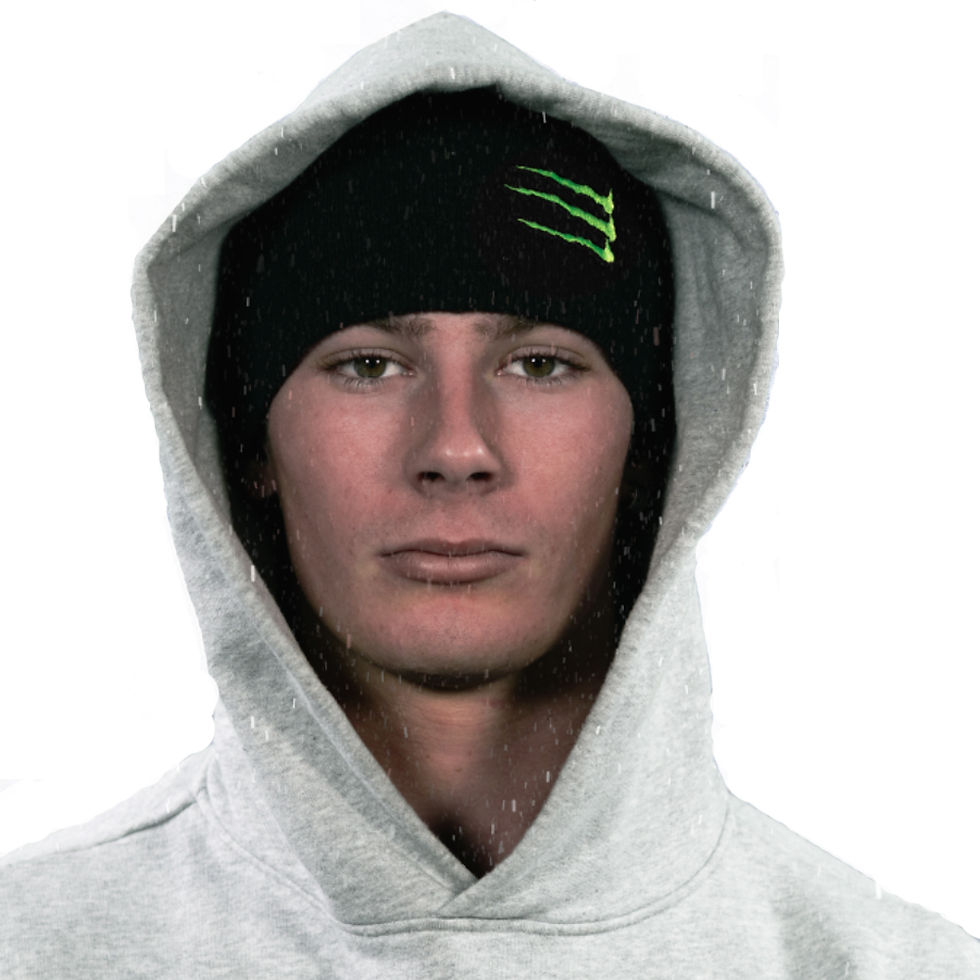
Rocco
Jamieson
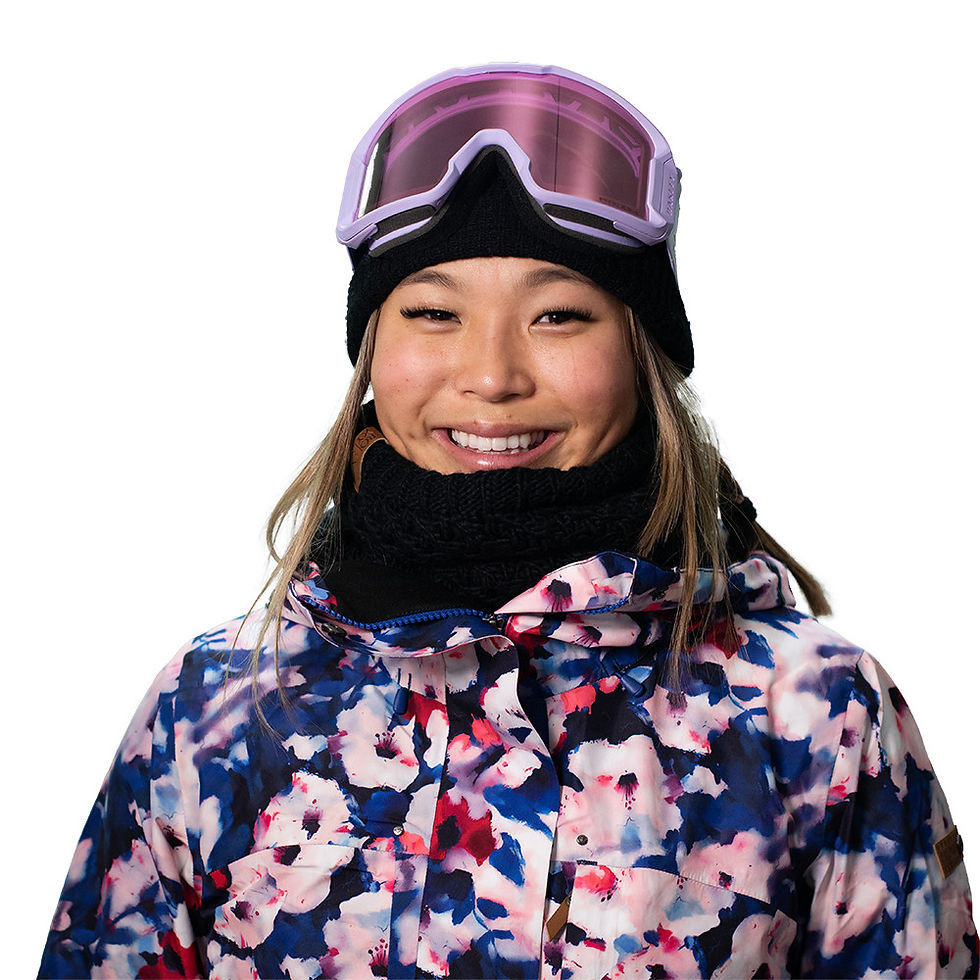
Chloe
Kim
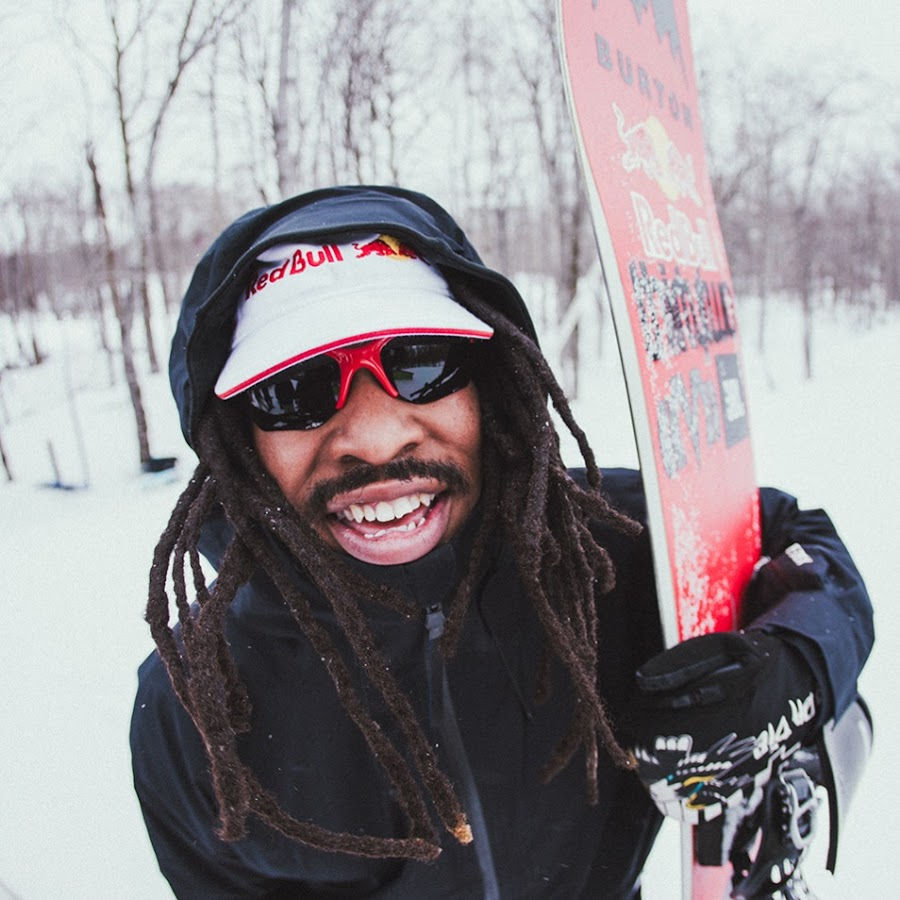
ZEB
POWELL

Red
Gerard
All About The Tricks
Cork 720 – A rotational trick where the rider spins two full rotations (720 degrees) while going upside down off-axis. It’s called a “cork” because the rider doesn’t go fully inverted straight up and down, but instead flips slightly off-center, giving it a corkscrew-style motion. It’s a stylish and controlled trick often seen in slopestyle and big air.
Rodeo – A flip-spin trick where the rider does a backflip-style motion while adding rotation at the same time. Instead of flipping perfectly straight, the body is slightly off-axis, which makes it look more stylish and less rigid. Rodeos are common in park riding and are known for looking smooth when done correctly.
Cork 900 – A more advanced version of the cork trick where the rider completes 2.5 full rotations (900 degrees) while spinning off-axis in the air. It combines height, rotation speed, and body control, making it a staple trick in competitive slopestyle and big air runs.


Snowboarding and Style


Snowboard Style is Everywhere
Those baggy jeans that you like to wear? Those were inspired by snowboard pants from the early days of riding in the 80s and 90s. The oversized boxy tees with crazy graphics? A lot of that style was heavily influenced by snowboard culture too. Snowboarding has always seemed to stay ahead of trends, almost like it creates them before the rest of the world catches on. The art in snowboarding goes beyond just riding; it’s in the clothes, the graphics, the music, the filming, and the overall way riders express themselves.
Snowboard brands have become some of the most influential brands in fashion because the community is constantly pushing the envelope and experimenting with styles that fit both the culture and the sport. A lot of modern streetwear takes inspiration from what riders have been wearing on the mountain for years. Honestly, you could almost compare a high-fashion runway show to what you might see in a snowboard lift line just on a different scale. Snowboarding has always blended performance, individuality, and creativity in a way that naturally influences trends outside the sport.
The People
At the end of the day, it’s the people that make snowboarding so special. Rebels from the start, snowboarding has grown into a community built around creativity, individuality, passion, and influence. The people are what created the tricks, the competitions, the films, the fashion, and the art that surrounds the sport today. Snowboarding became what it is because riders refused to let anything define them they chose their own way, rode their own line, and created a culture that continues to inspire people all over the world.
What makes snowboarding unique is that there is no single way to be a snowboarder. Some people love the competitive side, some love backcountry riding, some love park, filming, fashion, photography, or just being on the mountain with friends. That freedom of expression is what keeps the culture alive and constantly evolving. Even as the sport grows bigger every year, the heart of snowboarding still comes from the people willing to push limits, support each other, and bring their own style and creativity to the mountain.